In the Press
Read about how EDHEC’s climate finance research is influencing discussions and decisions in the broader financial community through featured articles and press mentions.
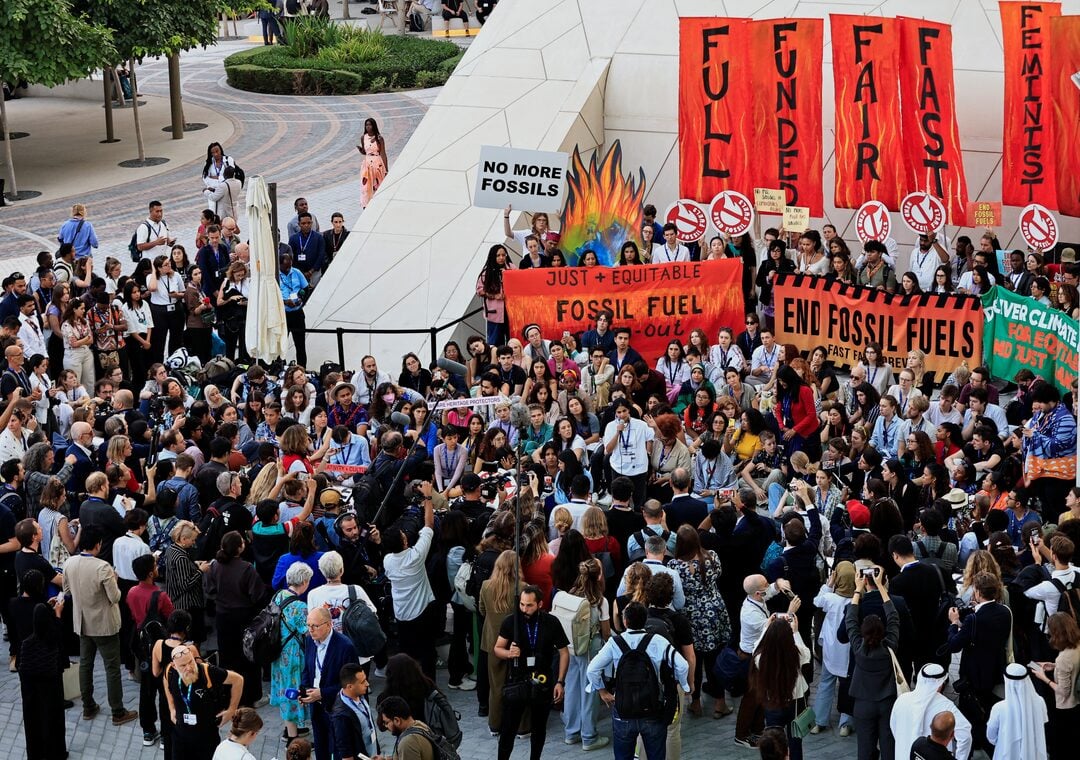
Transition finance must be at the core of sustainable disclosures reform
The Banker
The article argues that the proposed revision of the Sustainable Finance Disclosure Regulation (SFDR) risks increasing the very greenwashing it seeks to address. While SFDR has improved transparency, it remains complex and confusing for investors. The reform introduces streamlined disclosures and product categories backed by eligibility rules, but its composition-based logic does not ensure a credible link between sustainability objectives, investment strategies, and support for the transition. The author calls for a coherence test across all sustainability-labelled products, warning that without it, approaches focused on portfolio arrangements may be treated as equivalent to those delivering real-economy outcomes.
Scientific Climate Ratings launches sovereign climate risk framework
Funds Europe
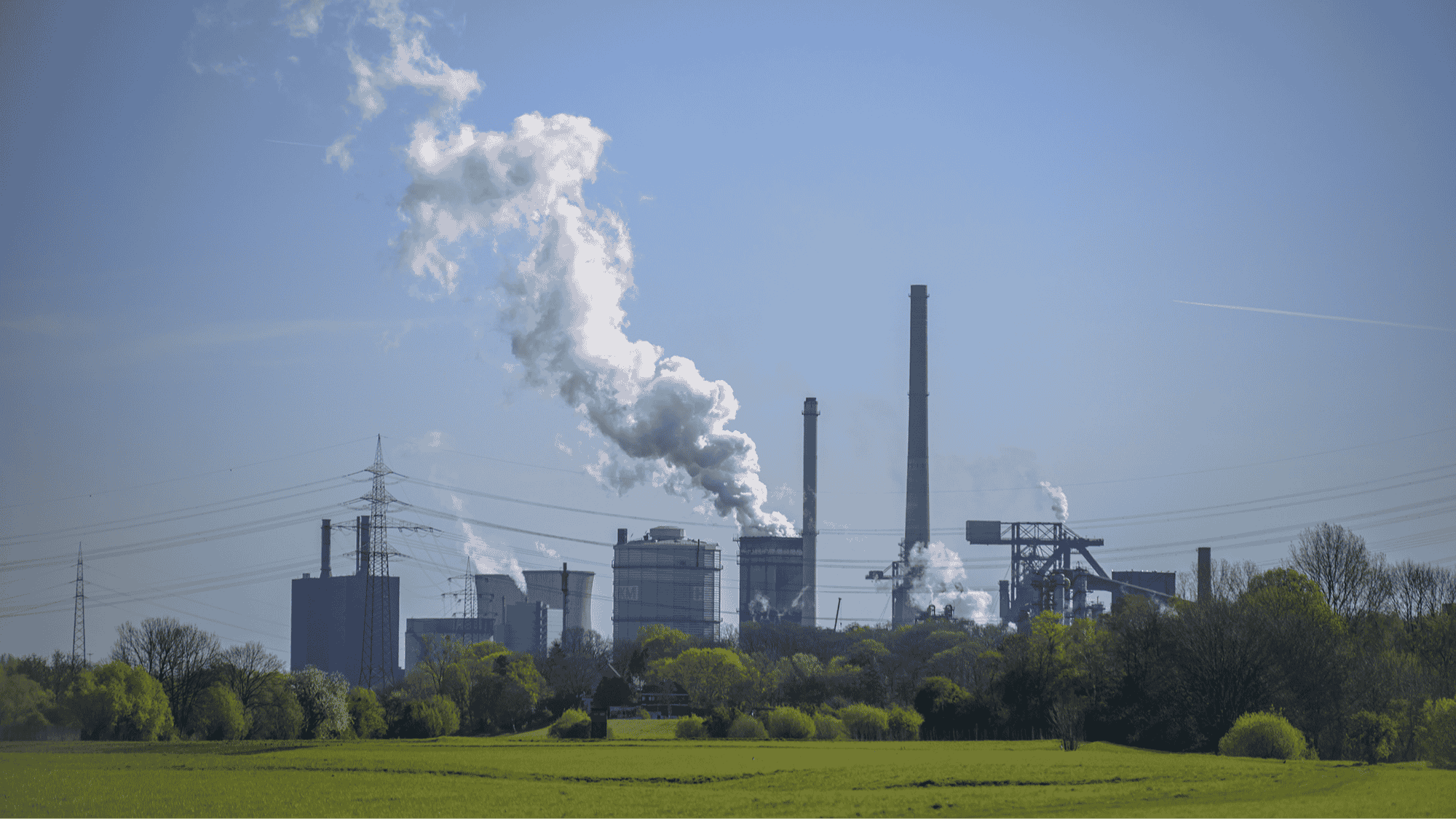
Scientific Climate Ratings, an EDHEC Business School venture, has launched a framework to assess how long-term physical climate risks could impact the economies of over 190 countries and 3,400 regions. The framework, Sovereign Climate Risk Ratings, aims to help investors, asset managers and banks assess and price sovereign climate risk by linking rising temperatures to future GDP outcomes.

European funds split on buying SpaceX over governance concerns
Financial Times
European asset managers are divided over whether SpaceX’s governance meets EU sustainability rules, potentially limiting access to its $75bn IPO for funds managing €6.8tn. EDHEC Climate Institute’s Frédéric Ducoulombier said SpaceX would be “very difficult to reconcile” with SFDR requirements, particularly on board independence and shareholder rights.

Why banks’ credit risk models are blind to climate shocks
The Banker (FT)
Banks’ regulatory credit models remain largely blind to climate risk because their backward-looking, short-term approach clashes with forward-looking climate models, with only 18% of banks integrating climate risk into internal ratings. EDHEC Climate Institute’s Frédéric Ducoulombier and Scientific Climate Ratings CEO Rémy Estran-Fraioli argue that supervisors must adapt rules to allow forward-looking climate risks to inform banks’ capital models.
Viewpoint: The tragedy of the horizon, act II – from promise to peril
Investment & Pensions Europe (IPE)
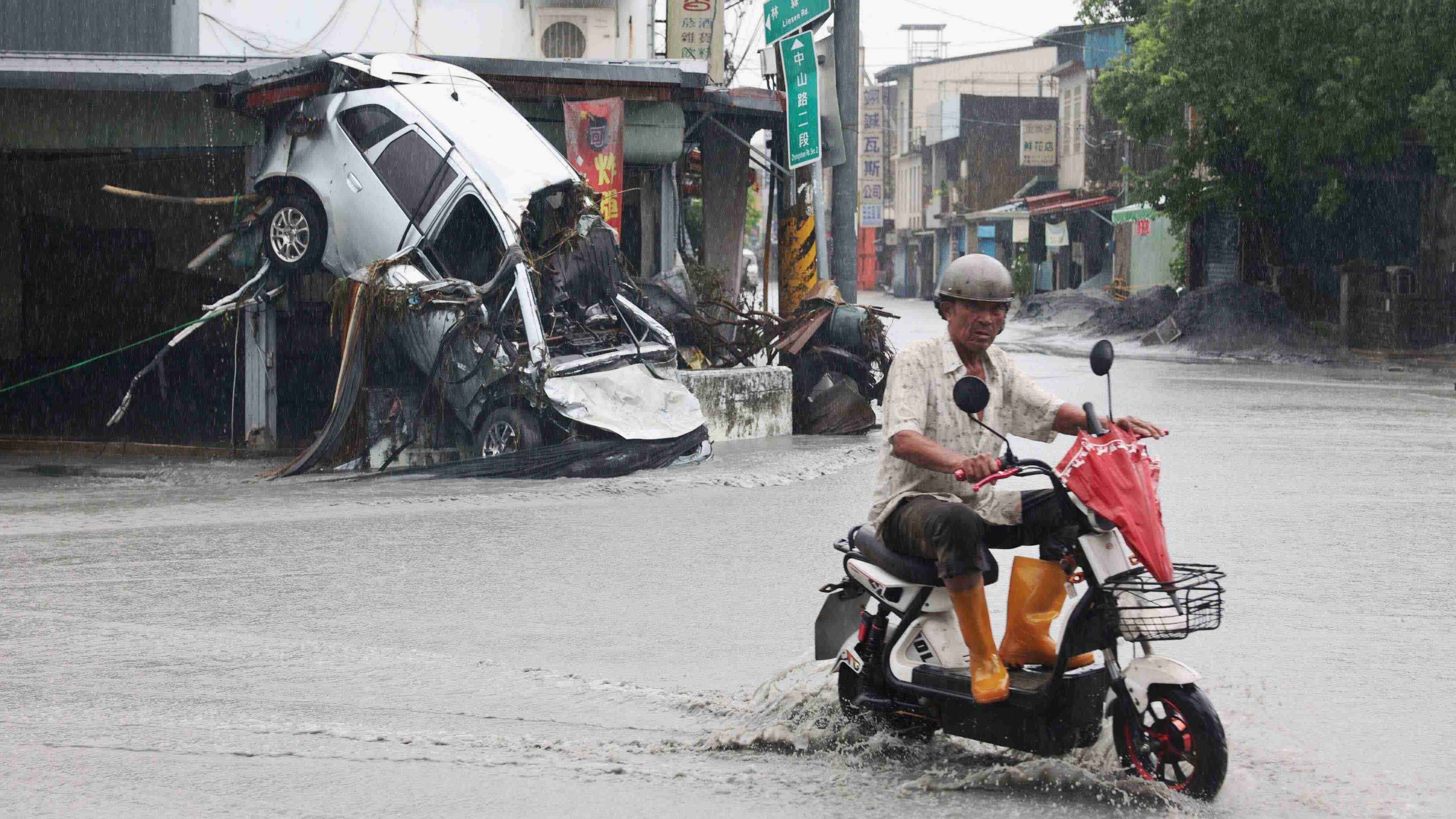
Ten years after Mark Carney’s “Tragedy of the Horizon” speech, EDHEC Climate Institute’s Frédéric Ducoulombier argues that the disclosure-led climate agenda has improved information but failed to deliver sufficient real-world action, as governments neglected stronger incentives such as carbon pricing, regulation and public investment. With sustainability reporting now facing political backlash, Ducoulombier calls for preserving disclosure while reshaping prudential frameworks and adopting credible, durable policies that directly accelerate the transition in the real economy.

The Appliance of Science: Independent ESG Portfolio Analysis on Tap
Treasury Management Internation (TMI)
In November 2024, Scientific Portfolio launched a tool that it says finally answers investor questions around analysis of ESG and climate characteristics and risks. TMI took the opportunity to dig deeper and find out how. A platform that enables investors to analyse financial risks and performance and the ESG and climate characteristics of an equity portfolio needs to be neutral and, ideally, independent.

Extreme weather sees fund managers turn to green stocks
FT Adviser
Climate Salience and the Demand for Green Stocks by Mutual Funds explored the impact of climate on investment decisions of asset managers around the world. Teodor Dyakov, told FT Adviser fund managers that experience periods of high abnormal temperatures tend to buy more green stocks that managers that do not experience them. He co-authored the study with Dominic O’Kane.

Unmanaged Climate Risks Undercut AI’s Investment Thesis
Forbes
How much attention to the risks of a climate-related crash is warranted? At a minimum, investors must be attuned to emerging climate science and its implications. According to an October 2024 analysis from the EDHEC Risk Climate Impact Institute, global equity valuations could drop as much as 40% if emissions reductions do not accelerate. This projection does not factor in tipping points, such as the collapse of the West Antarctic glacier and the thawing of methane-rich Arctic permafrost, that if reached would further destabilize the economy.

Aggressive climate action needed to preserve stocks' value, paper says
Reuters
Decision makers should pursue aggressive policies to bring climate change under control if they want to avoid losses in the value of global stocks that could top 50%, think-tank EDHEC-Risk Climate Impact warned in a 74-page paper published on Wednesday.
The Market’s Next Black Swan Is Climate Change
Bloomberg
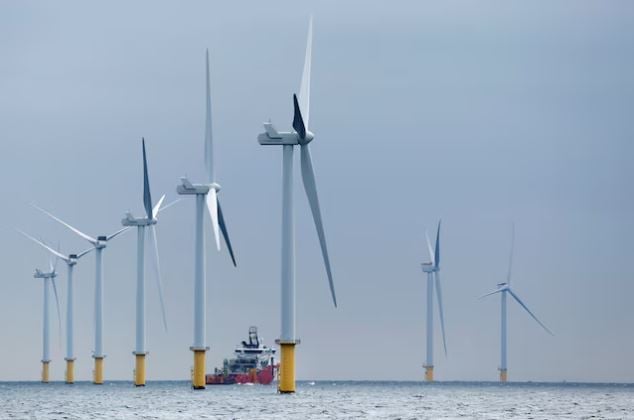
Failing to do more to slow the planetary heating caused by greenhouse-gas emissions will gouge 40% from global equity valuations, estimates a new study by the EDHEC-Risk Climate Impact Institute. Accounting for climate-change-accelerating “tipping points” such as Amazon-rainforest dieback or a Big Burp of gas from melting permafrost, the market losses rise to 50%. On the other hand, if the world gets its act together and limits warming to 2 degrees Celsius above preindustrial averages, then the hit to stock prices will be just 5% to 10%.

“Death by a thousand cuts” - why climate risk isn’t priced in
Net Zero Investor
Investors who wish to model for climate change already have different scenarios at hand, what is different about the Climate Scenario Analysis EDHEC is providing?
The quality of the IPCC sponsored SSP RCP scenarios is very high, they have been created by top academics, there is no question about it. The problem is that they were not created with investors in mind. They fall short of providing the information investors need. By design, they have been created without any probabilities attached to them at all...
Opponents of mandatory Scope 3 reporting are ‘confusing the symptom for the cause’
Sustainable views
Regulation making it mandatory to report upstream and downstream emissions will make life easier, not harder, for companies, argues the EDHEC-Risk Climate Impact Institute
Fighting climate change through financial innovation
Investment & Pensions Europe
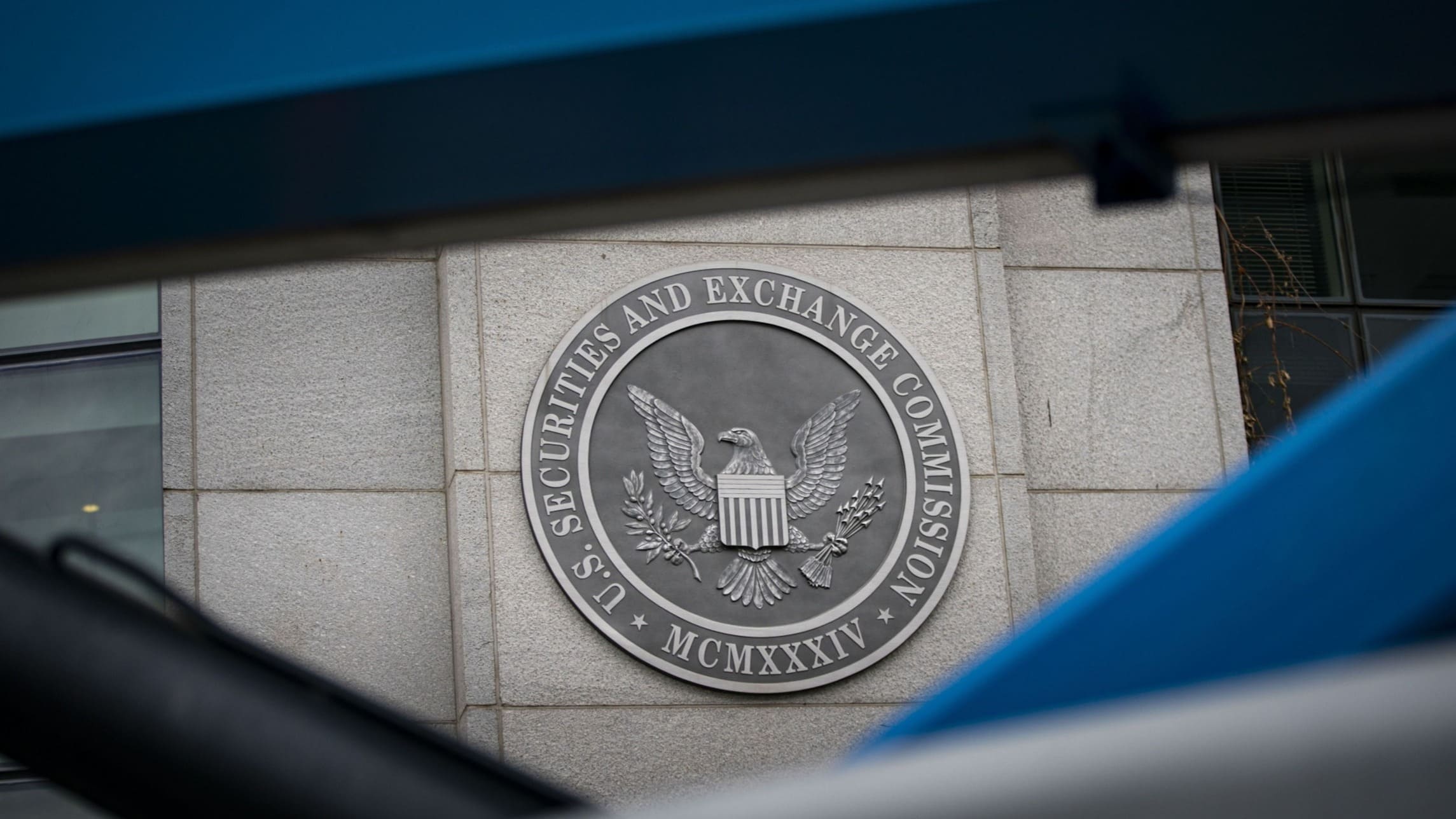
Reporting of value chain emissions, whether upstream such as purchased goods, or downstream – such as product use (think combustion of fossil fuels), will be abandoned. Investor advocacy for value-chain emissions (Scope 3) reporting and its possible incorporation within a US Securities and Exchange Commission (SEC) climate-disclosure rule have sparked fierce resistance from fossil-fuel interests...

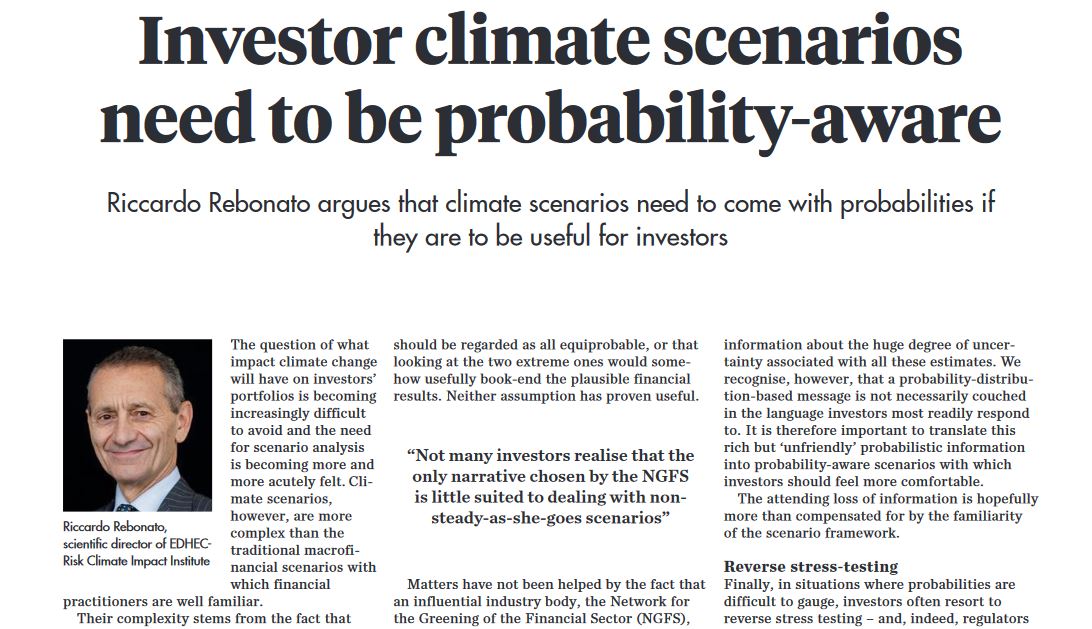
Viewpoint: Investor climate scenarios need to be probability-aware
Investment & Pensions Europe
The question of what impact climate change will have on investors’ portfolios is becoming increasingly difficult to avoid and the need for scenario analysis is becoming more and more acutely felt. Climate scenarios, however, are more complex than the traditional macrofinancial scenarios with which financial practitioners are well familiar...
More meaningful corporate sustainability reporting required
The Banker
The backtracking by lawmakers on mandatory requirements for corporate reporting could undermine the original intention of the Corporate Sustainability Reporting Directive, users of disclosure statements fear...

How much will physical climate risk cost?
Infrastructure Investor
Physical risk to infrastructure assets can result in major losses, and sooner than many expect. The EDHEC Infrastructure & Private Assets Research Institute quantifies those losses in different climate scenarios...
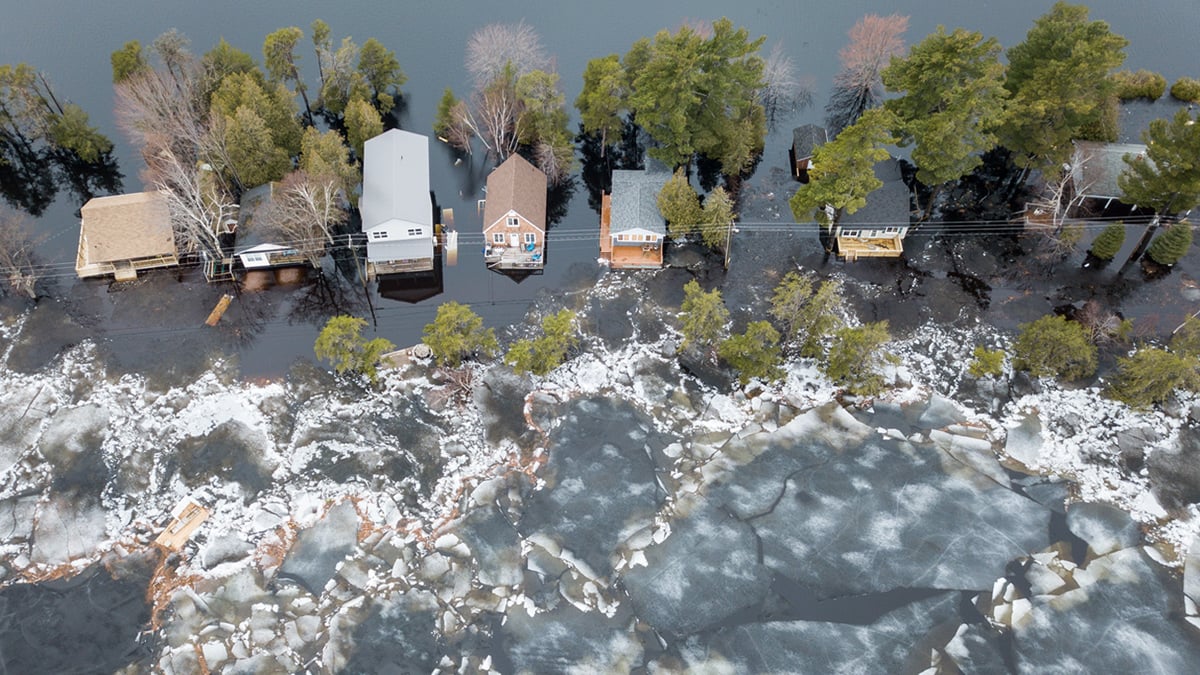
Extreme weather could burn investment portfolios by mid-century
The Conversation Europe
Climate change is one of the most pressing challenges facing humanity today, with potentially severe implications for infrastructure assets. Infrastructure investments such as roads, bridges, ports, airports, and power plants have long lifetimes, typically spanning several decades...

Climate change hits infrastructure investments
Capital Monitor
EDHEC’s Noel Amenc and Frederic Blanc-Brude argue that physical risks caused by climate change already threaten infrastructure investments and could cause massive losses before 2050...
Infrastructure faces $600 billion hit in worst-case climate shift - study
Reuters
Infrastructure investors face losing nearly a third of their money, or around $600 billion, if countries do not plan for an orderly shift to a greener economy by mid-century, a first-of-its-kind study shared with Reuters showed....