
Diversity & Inclusion Chair
Since the Diversity & Inclusion Chair was created in 2016, it has been developing and supporting transformation and awareness projects to give everyone, as individuals or within organisations, equal opportunities for integration and success.
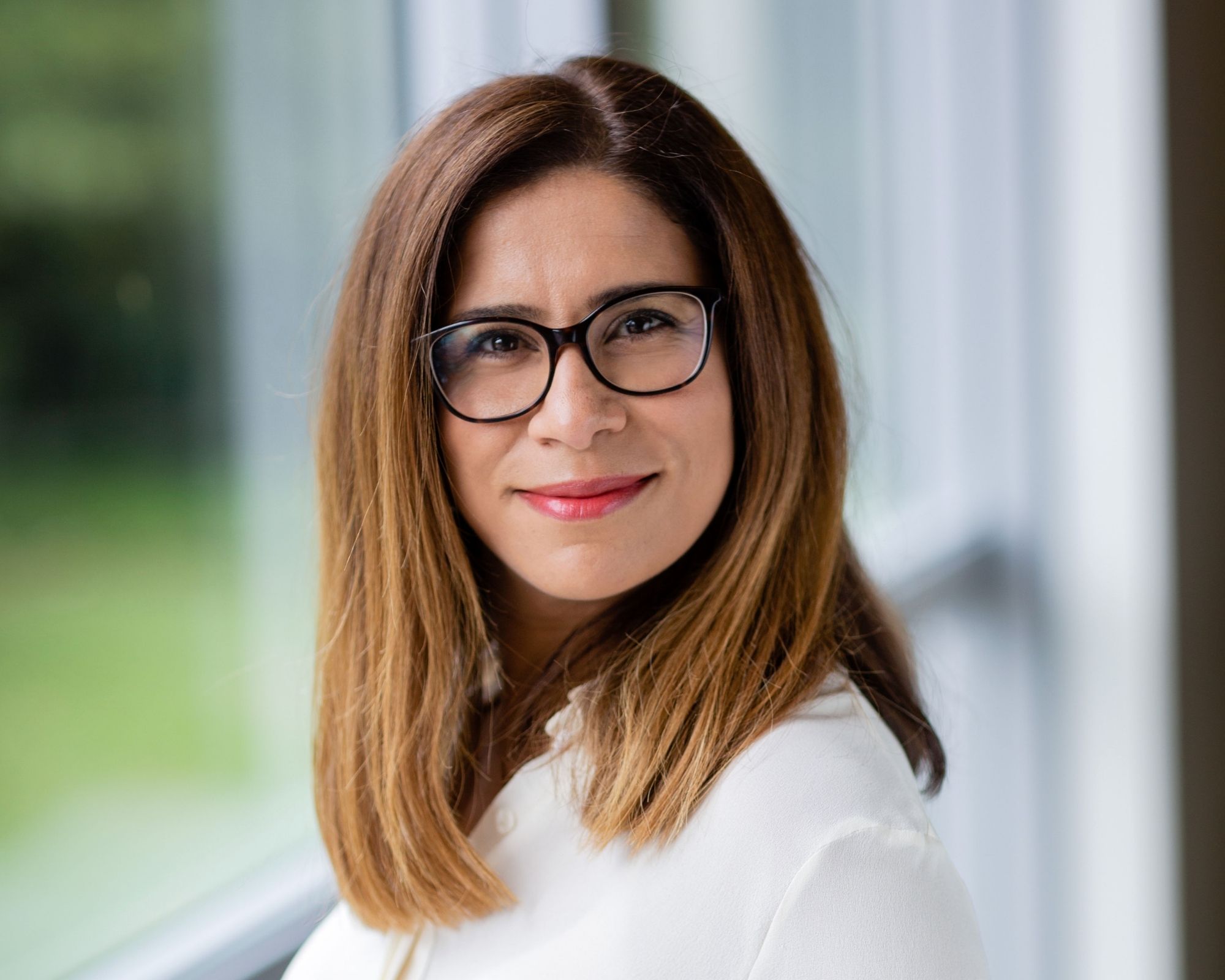
"Diversity and inclusion are a major societal and economic challenge. They are factors of equity and equal opportunities, as well as mobilisers and positive transformation generators. We want to use the Chair’s action to to advance diversity and inclusion and to multiply their positive effects on individuals and organisations."
Hager Jemel-Fornetty, Co-founder of the Chair
The Diversity & Inclusion Chair was created in 2016. Since then, it has expanded its efforts and actions to inspire, raise awareness, and support individuals and organisations. The goal is to cultivate inclusive and non-discriminatory behaviours and environments.
THE CHAIR'S STRENGTHS

A multidisciplinary team,
at the heart of an ecosystem of specialists from the professional and research worlds

A dual scientific and business approach
academic research serving individuals and organisations

A process of co-construction with partners,
for each of their projects

An open and non-judgmental attitude,
adapted to any individual or organisation, whatever their level of progress in D&I practices.
ITS KEY THEMES

Gender Equality

Culture, Arts and Diversity

Inclusive Leadership

Gender and Sexual Violence

Mentoring and equal opportunities
THE CHAIR IN VIDEO
[On screen]
Diversity & Inclusion Chair
Inspiring, creating and innovating for a culture that is inclusive, equitable and respectful of diversity.
Directed since 2017 by Hager Jemel-Forenetty, Associate Professor.
Interviewer [on screen]: Why?
Hager Jemel-Fornetty: Today, in the majority of social spaces, private or public, practices are not yet moving sufficiently in the direction of peaceful diversity and full inclusion. Despite the multiple promises made on this subject, both by public decision-makers or by companies. However, the progress of recent years, in society, in households, in businesses or in schools are real, are palpable. My conviction, our conviction, within the chair is that we must both inform, train and set an example in the hope of inspiring people to think and act in a certain way to have a positive impact.
Interviewer [on screen]: What’s your mission?
The mission we have given ourselves is participate in changing representations to change behaviours on the subjects of diversity and inclusion. So what exactly are we talking about? Diversity is about the heterogeneity of individual characteristics of members of a social group, whether a team, an organisation, a club or even a class. In contrast, when we talk about inclusion, it is a feeling, an individual sentiment. It is a subjective experience rooted in two fundamental needs: the sense of belonging and the valorisation of singularity. All our actions are therefore oriented towards analysis and pedagogy around a double success: having a high sense of inclusion in a very diverse group.
Interviewer [on screen]: How? What are the results?
In recent years, we have chosen to focus on three main audiences.
First of all, the EDHEC students. I am thinking here of a unique scheme in the Grandes écoles: the ‘Sexist and sexual violence” workshops, organized every year since 2021 for all new EDHEC students. I also have in mind our seminar ‘Tremplin Diversité et Inclusion’ which is aimed at all first-year students of the Grande école to cultivate and develop inclusive management.
Companies are invited to co-develop with us pedagogical schemes, studies and cases. We also regularly work with several companies and associations on our core subjects. We take every opportunity to meet professionals and organisations at conferences and summits where we share our studies and our expertise.
And finally, we address the general public through publications, for example on the paternity leave, on the impact of mentoring for women from diverse backgrounds, on the representations of women in art and museums. I also think of our noteworthy test on parity in video games.
Interviewer [on screen]: And tomorrow?
In addition to strengthening our existing actions, we are giving ourselves three main avenues. Widely disseminate our SSV workshop, whether in higher education and also with companies. Develop and promote a ‘diversity and inclusion’ index based on the most recent academic knowledge. Finally, offer a unique and effective scheme to train professionals and managers with inclusive leadership, in order to facilitate the progress of diversity and inclusion at all levels.
NEWS


LATEST VOX ARTICLES


