

(Newsletter #26) Gender, sustainability, organised crime: what's at stake for culture?
Though the cultural sector plays a vital role in catalysing thoughts, behaviours and emotions, it is not without its tensions and challenges. This is what our professors are focusing on this month in the EDHEC Vox newsletter...

Culture can be seen as holding up a mirror to society. Whilst, in this sense, it undeniably plays a vital role in catalysing thoughts, behaviours and emotions, it is not without its tensions and challenges.
This month, in our latest newsletter, our professors, in turn, hold up a disturbing mirror to the sector: under-representation of women in museums, worrying links to organised crime, blockbuster exhibitions that send carbon emissions soaring, sexism in video games...
But fortunately, this image isn't static. Our researchers suggest numerous solutions and also look at examples – particularly in the fields of performance art, video games and VR – that could help us work better together & make the most of this cultural offering.
Happy reading!
![[#dataviz] Are video games sexist?](/sites/default/files/2026-04/2026-04-header-dataviz-video-games-sexist.jpg)
[#dataviz] Are video games sexist?
By Guergana Guintcheva and Hager Jemel-Fornetty (EDHEC)
You’re wandering through medieval Paris, on the edge of the land of the elves, or through a devastated San Francisco… who has helped you survive this far with their advice? Who is waiting for you in the next village to sell you that long-awaited potion? Most likely a man. In fact: almost certainly a man. In their latest work, the two researchers have analysed nearly 130 major video games released since 1988. And the findings are clear: only 2% pass the test they developed – a video game equivalent of the Bechdel test – and achieve gender parity... Discover this new #dataviz (proposed in collaboration with Datagora)
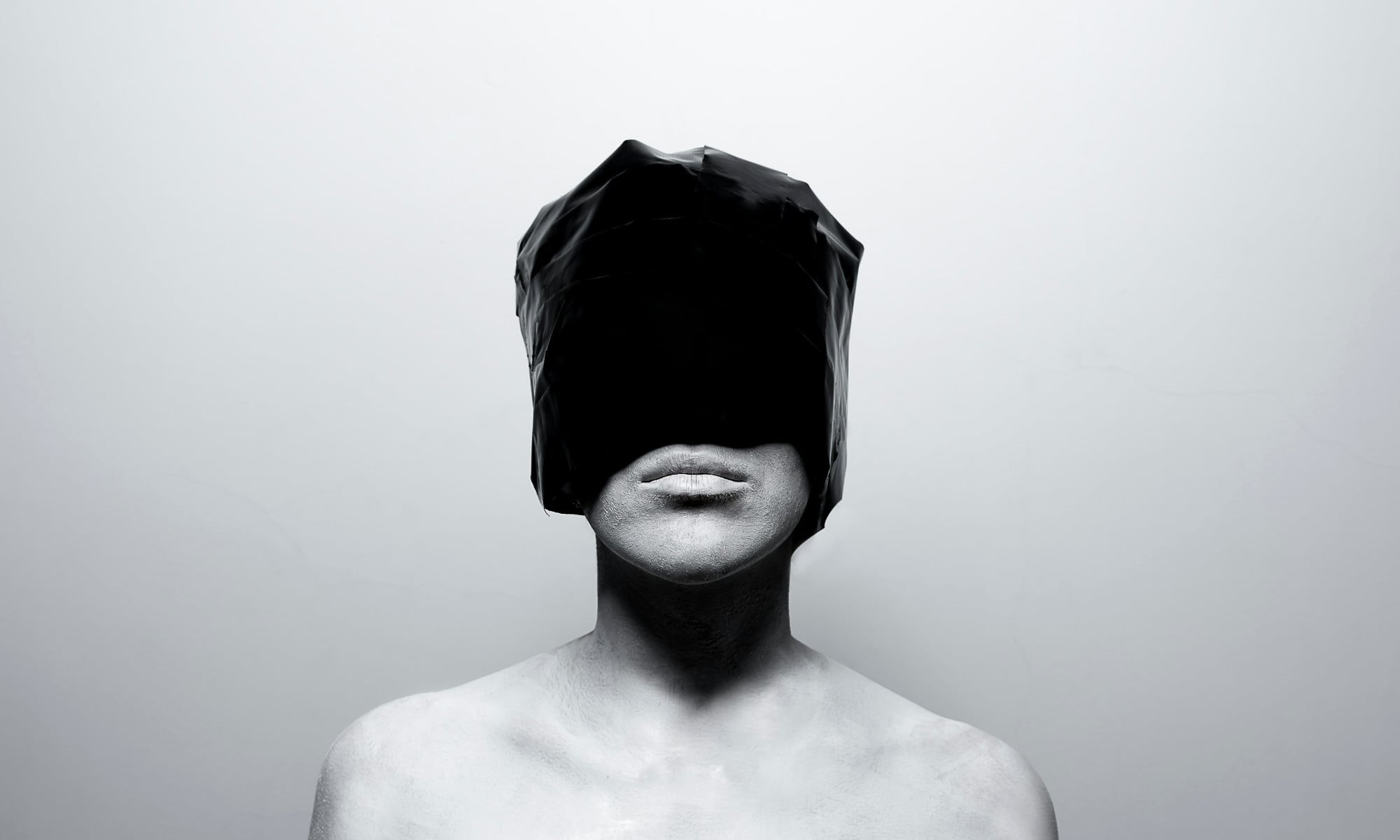
Marina Abramović, Li Binyuan and Paula Garcia… When artistic performances shed light on how organisations operate
By Yanina Rashkova (EDHEC)
A woman sits silently at a museum table, saying nothing, doing nothing. What could this possibly teach a manager or a CEO? Quite a lot, it turns out. Performance art makes the invisible visible, and in doing so, it offers us something surprisingly practical: new ways of seeing. The researcher explores here how the work of performance artist Marina Abramović, along with artists associated with her Institute, can inspire managers and leaders to rethink how they observe, relate to, and reshape their organisations... Read this article - also available in The Conversation France
![[Case by case #13] Sylvain Colombero - Gaining a better understanding of information goods through video games](/sites/default/files/2026-04/2026-04-header-vox-colombero-cas-par-cas.jpg)
[Case by case #13] Gaining a better understanding of information goods through video games
An interview with Sylvain Colombero (EDHEC)
A CD-ROM. A floppy disk. A console cartridge. For nearly half a century, video game players first held the object of their passion in their hands, before picking up the console or the keyboard. At the turn of the 2010s, a completely different reality gradually took hold: that of digitisation, the complete virtualisation of games, and indeed of all cultural media. In this interview, the researcher tells us the story of how a much-hyped game became both an industry cautionary tale and an unexpected success, sheding light on the economics of information goods, shifting business models, and the elusive notion of a 'finished' creative work… Read this interview
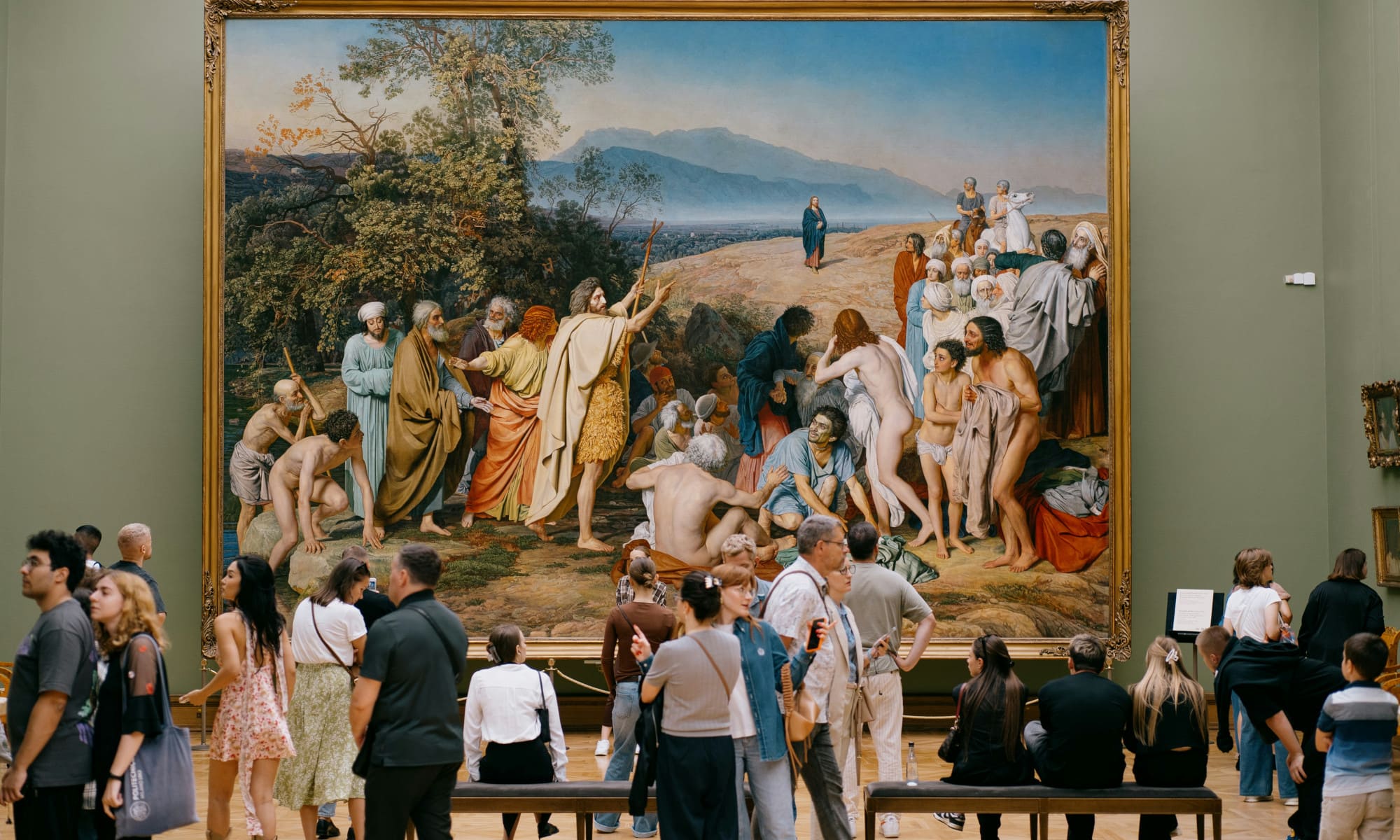
Why art is a prime target for organised crime
By Guergana Guintcheva and Bertrand Monnet (EDHEC)
When you stop to think about all the ways in which a criminal organisation might ‘use’ art, it’s quite staggering. Counterfeiting, anonymous purchases, resale and money laundering, speculation, outright theft… It is this interplay between art and organised crime that the two researchers explore in their latest work. These are by no means trivial matters, since, after drug and arms trafficking, the art trade is the most lucrative source of funding for illegal activities. What can existing tools do, and what can’t they do? How can the sector protect itself...? Read this article, initially published in The Conversation Europe and available in The Conversation France

Museums and virtual reality: a new era for culture?
By Alena Kostyk (EDHEC), Laurence Dessart (HEC Liège), Kirsten Cowan (The University of Edinburgh), Michaël Schyns (HEC Liège)
While most institutions are still debating digital transformation, museums have quietly become one of its most unexpected pioneers. Virtual reality is no longer a gimmick: it's redefining how we experience art, preserve heritage, and it can potentially help to go one step further and attract new audiences. But like any evolution, it comes with its contradictions. Researchers here take a hard look at what VR is really changing in the cultural world, and what it isn't... Read this article, originally published in The Conversation France
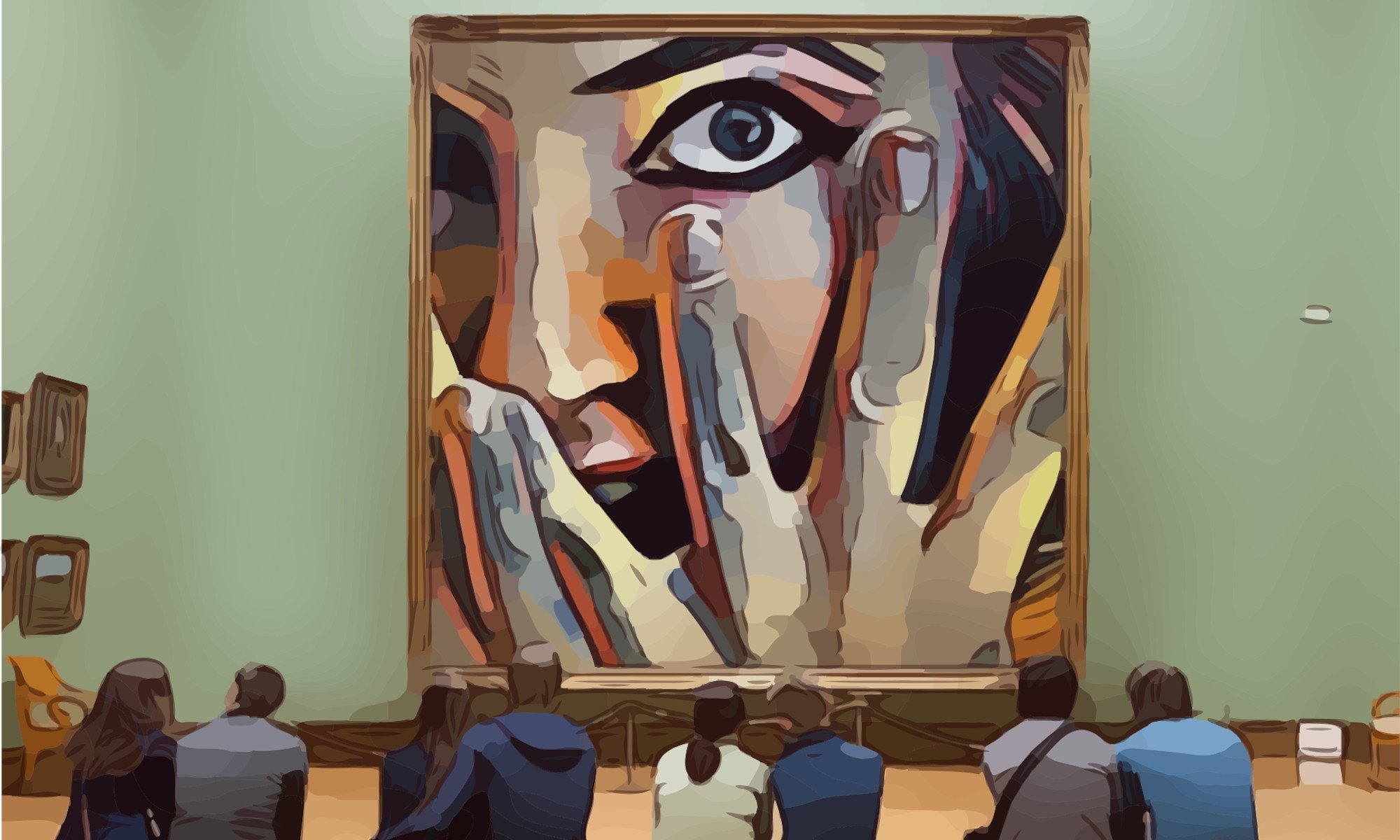
Where are the women in museum collections and in positions of responsibility?
By Guergana Guintcheva and Hager Jemel-Fornetty (EDHEC)
Try naming five women artists featured in a museum right now. If you're struggling, that's no coincidence. In the largest US museums, 9 exhibited artists out of 10 are men. In France, 93.4% in national catalogues. Yet art schools tell a different story as women make up 60% of students. So where do they disappear along the way? The two researchers draw a striking parallel between the glass ceilings of the corporate world and the invisible walls of museum halls. And the mechanisms are more systemic, and more similar, than we'd like to admit... Read this article, originally published in The Conversation Europe, and available in The Conversation France
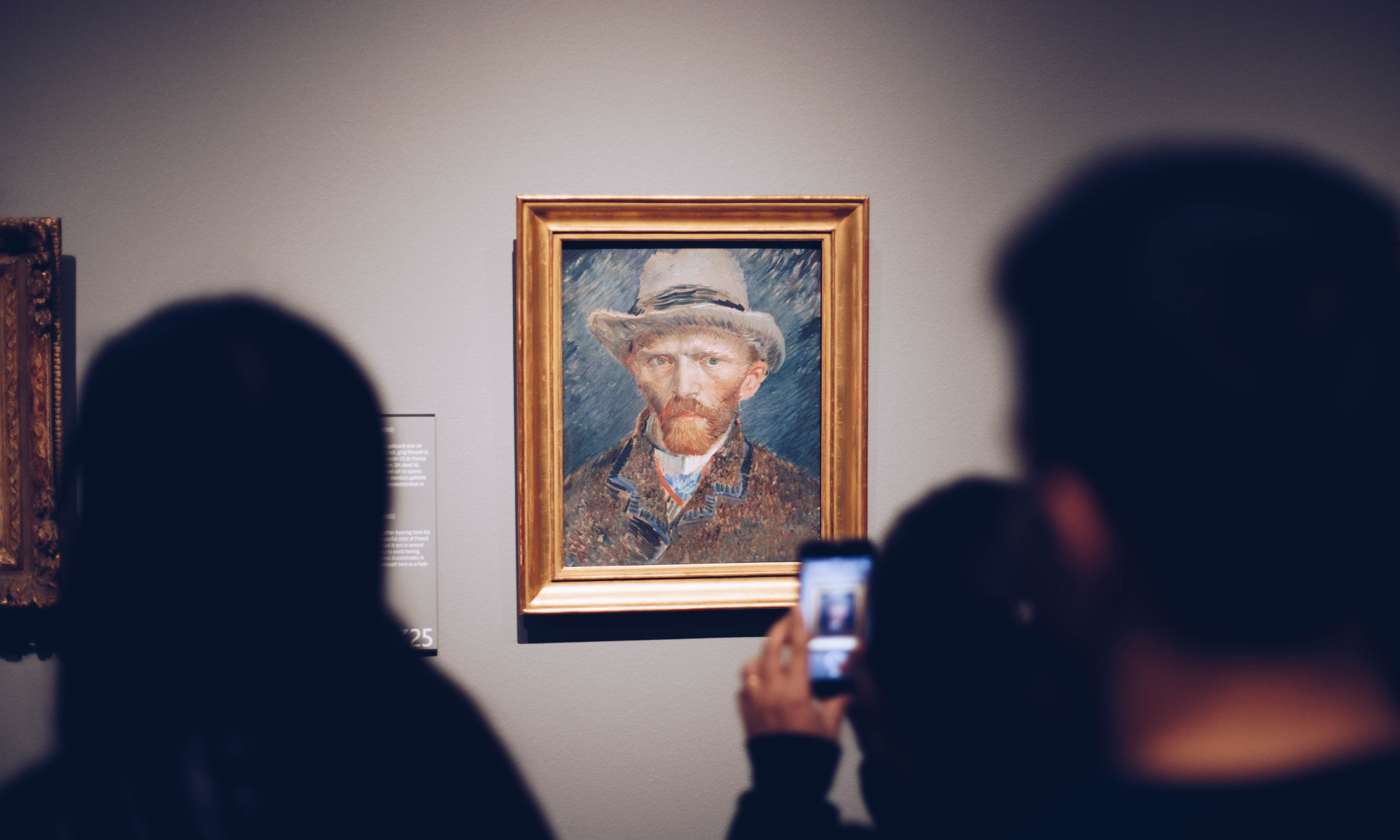
Blockbuster exhibitions: how to tackle their mammoth environmental footprint
By Guergana Guintcheva (EDHEC)
Blockbusters are cultural phenomena, drawing millions and making headlines. But what if their success comes at an environmental price we've been ignoring? Water, energy, transport, scenography: the hidden footprint of a single exhibition can be significant. In this work, the researcher offers a comprehensive overview and suggests practical solutions, drawing in particular on her collaboration with the Palais des Beaux-Arts de Lille... Read this article, originally published in The Conversation Europe, and available in The Conversation France
Illustration (header) - Anne Moreau, 2026

![[#dataviz] Climate change: the new geography of economic losses](/sites/default/files/styles/actu_850_480/public/2026-10/2026-10-header-dataviz-climate-geo-eco.jpg?itok=-dF5t5q_)
